
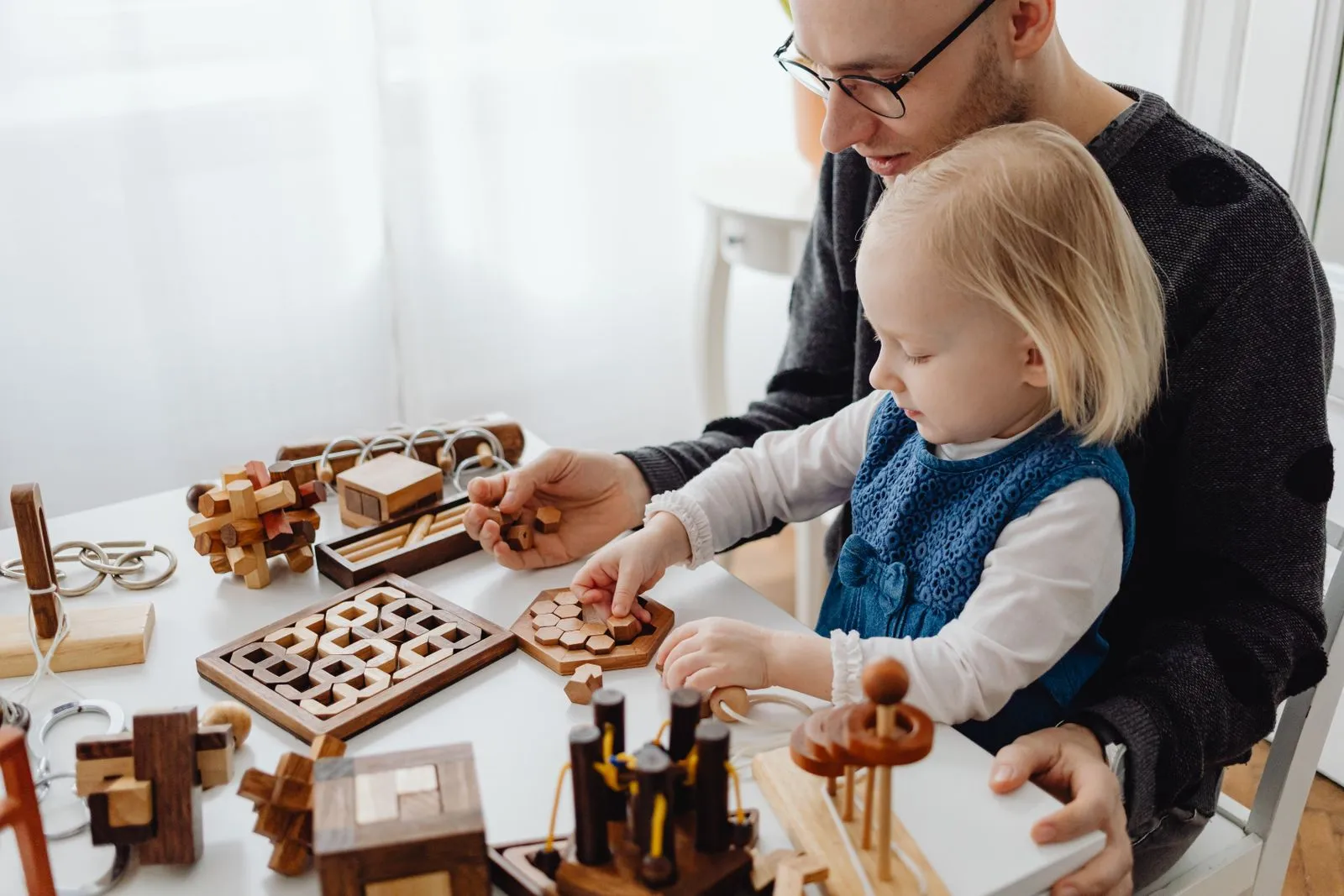
A good puzzle gift feels inviting rather than intimidating. To choose one, consider what the recipient enjoys, how much puzzle experience they have, and whether they prefer to work alone or with others. Age can help guide the format, but it should not be the only factor: a child may enjoy a tricky logic game, while an adult may prefer a relaxed jigsaw. These practical ideas can help you find a challenge that fits the person, not just the age label.
For Young Children
For young children, look for sturdy pieces, clear images, and a manageable number of parts. Familiar subjects such as animals, vehicles, or favorite kinds of scenery can make it easier to stay interested. Chunky pieces or simple shape-fitting puzzles may suit beginners, while children who already enjoy puzzles might be ready for more pieces or a basic matching game.
Check the recommended age range and consider the child’s coordination and attention span. Small pieces may not be suitable for children who still put objects in their mouths. A puzzle that can be completed in short sessions is often a practical choice, especially if a caregiver will join in. Choose a theme the child likes so the activity feels personal.
For School-Age Kids
School-age children often enjoy a puzzle that offers a clear goal and room to improve. A jigsaw featuring a favorite animal, hobby, or imaginative scene can encourage careful looking and persistence. For kids who like rules and turns, consider a logic game or a compact brainteaser. Start with a level that invites effort without requiring an adult to solve every step.
Think about how the child likes to play. A solo challenge may suit someone who enjoys quiet concentration, while a cooperative game can give siblings or friends something to work through together. If you are unsure about difficulty, choose a puzzle with hints or several challenge levels. That lets the child build confidence and return to it as their skills grow.
For Teens and Adults
For teens and adults, match the puzzle to their interests and preferred pace. A detailed jigsaw can appeal to someone who likes a relaxing, ongoing project; a logic puzzle may suit a person who enjoys testing strategies. A small brainteaser works well for a quick break or a stocking-size gift. Consider whether the recipient has solved similar puzzles before, and choose a challenge that feels fresh rather than familiar.
The setting can help narrow your options. A puzzle meant for a group gathering should be easy to explain and suitable for several players. For a personal gift, look for a theme tied to the recipient’s hobbies, visual taste, or favorite kind of challenge. If they have limited space or time, a compact game or a jigsaw that can be paused and stored may be more convenient.
Choose by Experience, Not Age Alone
Age labels are useful starting points, but puzzle experience and individual preferences matter more. Someone new to puzzles may appreciate a straightforward design and clear instructions, regardless of age. An experienced solver may prefer layered clues, unusual shapes, or a game with multiple ways to approach a problem. When in doubt, choose a moderate challenge with room to explore instead of relying on the most difficult option.
Before buying, ask yourself three questions: What subjects does the recipient enjoy? Do they prefer quiet solo play or a shared activity? What kinds of puzzles have they already tried? Those answers can guide you toward a jigsaw, logic game, or brainteaser that feels thoughtful and usable. Mindful Maze can help you consider options when you are selecting a puzzle gift.
A thoughtful puzzle gift reflects the recipient’s interests, experience, and way of enjoying a challenge. Use age as a guide, then check the format, difficulty, and setting where the puzzle will be used. With those details in mind, you can choose a gift that feels welcoming and rewarding. Explore puzzle options that fit the person you have in mind.